
Mining giant Rio Tinto is not only extracting raw materials but also using them on-site to generate solar energy.
What if a mine didn’t just supply raw materials, but also produced its own clean electricity from those same resources, thereby reducing CO₂ emissions?
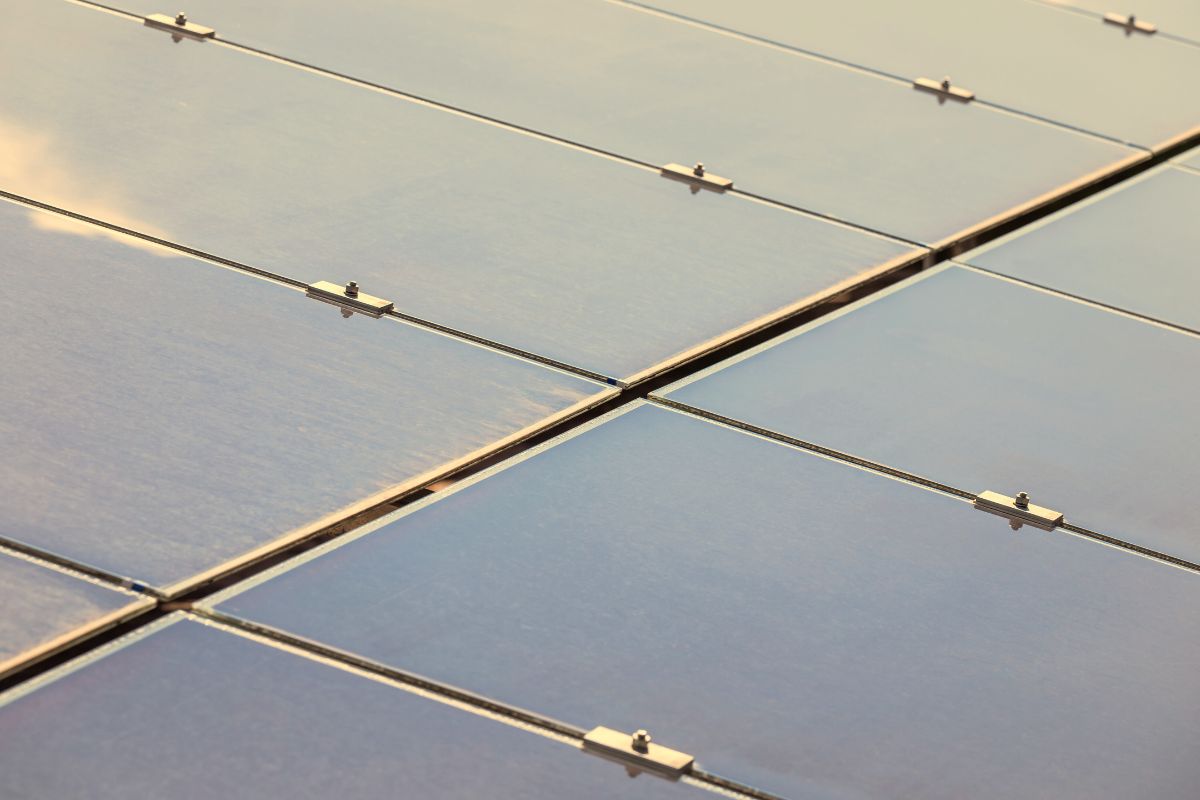
This is exactly what is happening at Rio Tinto’s Kennecott site in Utah, USA. A new 25-megawatt solar power plant has recently become operational. What makes it special is that the solar panels contain tellurium, a critical mineral that is recovered on-site as a byproduct of copper processing. The tellurium is then processed in Canada into semiconductor material, which US solar leader First Solar uses to manufacture thin-film modules, a technology that holds a significant market share in the United States. For Rio Tinto, the new plant represents more than just a step toward greater sustainability in mining. According to Nate Forster, Managing Director of Rio Tinto Kennecott, it also strengthens supply chains for essential resources.
Both copper and tellurium are classified as critical minerals by the US government. Beyond thin-film solar modules, tellurium is used in thermoelectric applications, as an alloying element to improve metals like steel and copper, and in catalysts, glass and ceramic pigments, and rubber vulcanization.
Photo: Airubon via Canva