
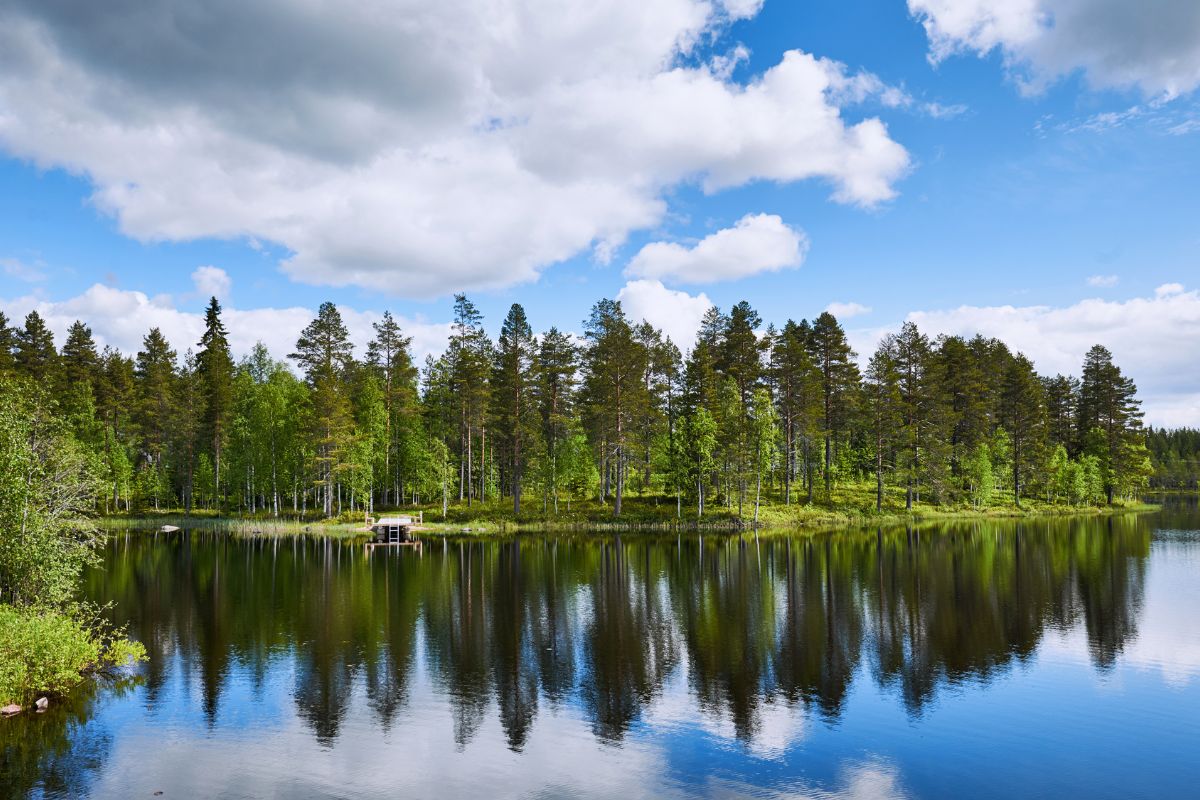
The Sokli deposit contains critical minerals such as phosphate, rare earth elements, and manganese. Pilot production is set to begin in the coming years.
Sokli, a mineral deposit in Finland’s Lapland region, could help strengthen Europe’s critical minerals autonomy. According to the state-owned Finnish Minerals Group, which is developing the project, the phosphate reserves are particularly significant, potentially covering up to one-fifth of Europe’s demand. In addition, the deposit is estimated to contain substantial amounts of rare earth elements as well as other valuable minerals such as manganese, niobium, and copper.
The Finnish government now plans to accelerate the project with a €65 million investment. The funding will support a feasibility study for possible phosphate and iron concentrate production between 2027 and 2029. At the same time, the potential to extract additional minerals, including rare earths, will be assessed. The project also includes the construction of a pilot mine and a pilot processing plant.
Critical Raw Materials Act: Could Sokli Become a Strategic Project?
Sokli is also competing for designation as a strategic project under the EU’s Critical Raw Materials Act. Projects with this status can benefit from accelerated permitting processes and enhanced access to financing. Slow permitting is one reason Europe’s critical minerals independence is advancing only gradually; it can take years, or even decades, before new mines and processing facilities become operational.
Another factor that can delay, or even halt, projects is a lack of acceptance and engagement from local communities. Recent headlines highlighted protests against other Nordic deposits that were promoted as promising, including Norra Kärr and Per Geijer in Sweden. Against this backdrop, the Finnish Minerals Group emphasizes environmental responsibility: sensitive areas and natural waterways are to remain untouched, and the company is aiming for a climate-neutral value chain, including the use of renewable energy.
Photo: LuCaAr via Canva