
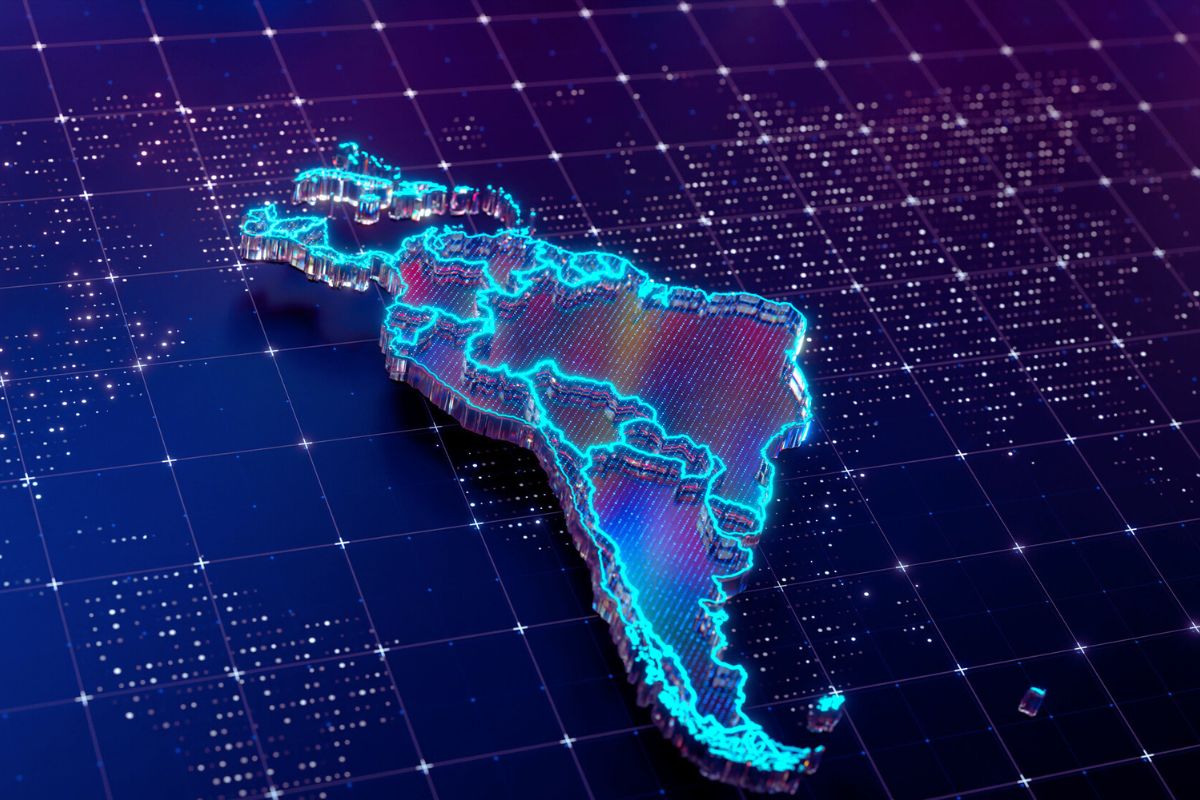
The deal with the South American bloc could, over the long term, also place Europe’s raw-materials supply on a broader footing.
After more than 25 years of negotiations, the path is clear for a trade agreement between the European Union and the South American Mercosur bloc. On Friday, ambassadors of the EU’s 27 member states signaled sufficient support, according to media reports citing diplomatic sources. Governments must formally confirm the vote by this afternoon, with majority approval also considered assured. As early as next week, European Commission President Ursula von der Leyen and European Council President António Costa plan to travel to Paraguay, alongside Argentina, Brazil, and Uruguay, a member of Mercosur, for the signing ceremony.
The protracted negotiations were repeatedly marked by disputes and stalemates. Following a political agreement reached at the end of 2024 (we reported), the signing was once again delayed by more than a year, in part due to protests by farmers in countries such as France, Italy, and Poland.
According to the EU, the agreement would create the world’s largest free-trade area, encompassing more than 700 million people. It would account for nearly 20 percent of global economic output and over 31 percent of worldwide goods exports. On the EU side alone, exporters could save more than €4 billion per year in tariffs.
South America’s Raw-Materials Potential
Supporters of the agreement also expect improved access to critical raw materials for Europe’s key industries. Argentina’s lithium deposits, an essential battery metal, rank among the largest in the world. Brazil hosts the world’s second-largest rare-earth reserves after China; the predominant deposit type there also contains high concentrations of particularly sought-after heavy rare earth elements. Resource-rich Bolivia has meanwhile joined the Mercosur bloc, though it is not yet covered by the free-trade agreement. These countries aim to significantly expand production of critical raw materials while strengthening local value creation. In this context, the EU is increasingly positioning itself as a reliable partner for South America, and corporate cooperation between the two regions is gaining momentum.
That considerable potential, however, is offset by substantial challenges. Following the planned signing, approval by the European Parliament and ratification by member states are still required—processes that could take years. Experience also shows that compliance with environmental standards, the development of necessary infrastructure, and the permitting of new mines and processing facilities are highly time-consuming. Moreover, competition is intense: China has long been active in South America and has secured strategic positions through investments, offtake agreements, and infrastructure projects. Particularly in lithium, copper, nickel, and rare earths, China often serves as both capital provider and technology partner. The signing of the Mercosur agreement, therefore, marks a pivotal step toward diversifying Europe’s raw-materials supply—but it is by no means a guaranteed success.
Photo: iStock/sankai