
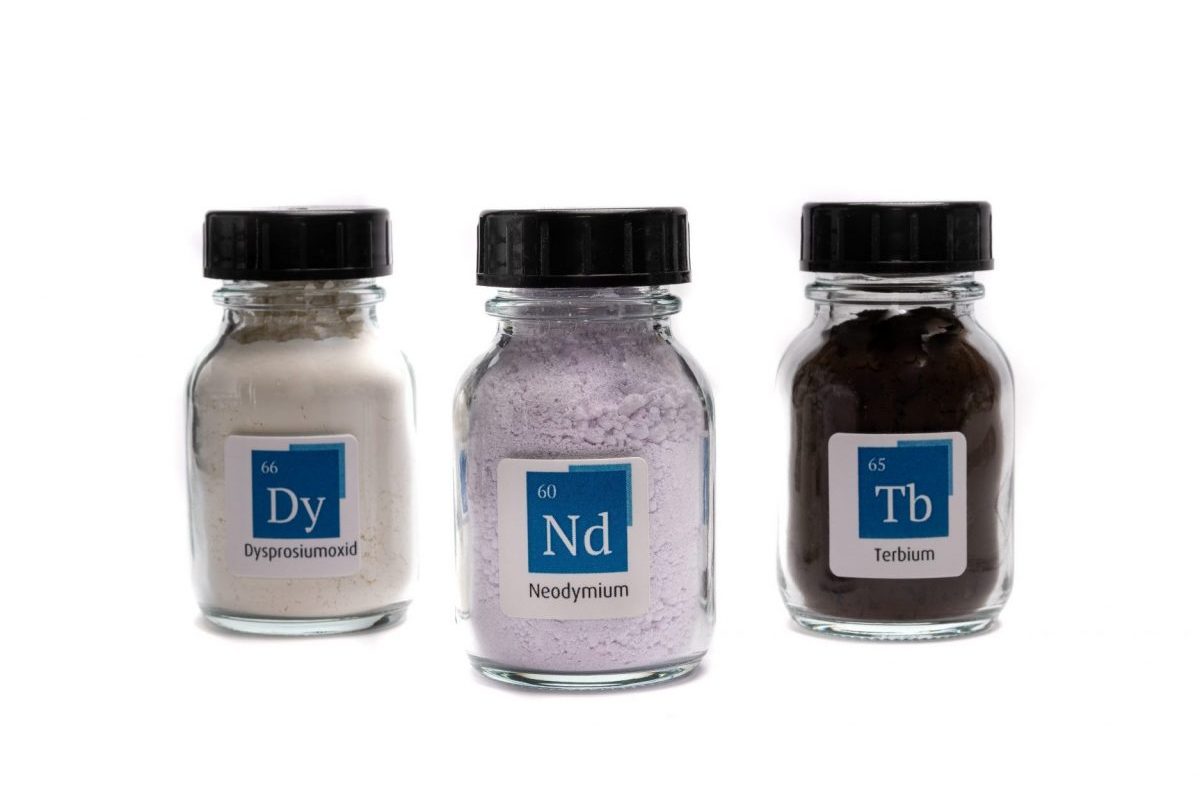
The International Energy Agency (IEA) published a new report on Wednesday addressing supply security for rare earth elements. The analysis covers all stages of the value chain, from extraction to processing, and highlights the risks associated with potential supply chain disruptions. In particular, the supply of those rare earth elements used in magnet applications is heavily concentrated in a small number of countries. China holds a quasi-monopoly in this segment. Rare earths such as Neodymium and Terbium are also used in other technologies; however, according to the IEA, permanent magnets account for 95% of the total value of rare earth consumption. Export restrictions imposed by Beijing last year have clearly demonstrated the potential and actual consequences of supply disruptions, the report adds.
To diversify the supply of rare earths and significantly reduce dependence on China, investments totaling $60 billion from both private and public sources will be required over the next decade, the authors state. The majority of this capital will need to be directed toward processing, with roughly one-third allocated to manufacturing. While this investment requirement may initially appear substantial, it is negligible compared to the potential costs of supply disruptions, which the IEA estimates at $6.5 trillion.
Photo: Tradium GmbH