
Legislative proposal includes rules on “Made in Europe” quotas and foreign investments. Many points remain disputed.
The European Commission on Wednesday presented the Industrial Accelerator Act. The package of measures is intended to strengthen the EU’s industrial competitiveness in the face of growing global competition. At the same time, it aims to reduce dependence on Chinese imports and promote climate-friendly technologies.
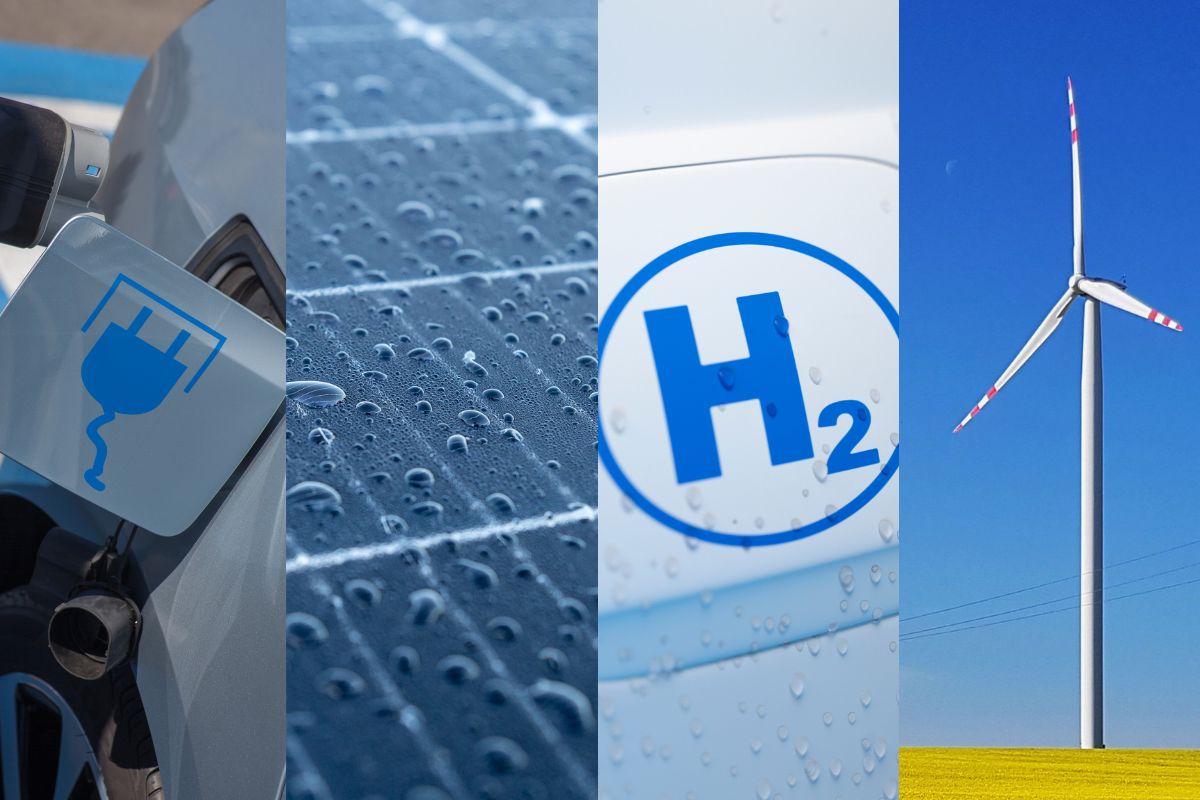
At the heart of the proposal is a “Made in Europe” approach, linking public procurement and state incentives to sector-specific quotas and requirements. Specifically, the sectors affected include batteries, battery energy storage systems, solar energy, heat pumps, wind power, electrolyzers, nuclear technologies, and energy-intensive raw materials such as aluminum, steel, and cement. Different requirements apply to the “Made in Europe” share, which can be gradually increased over time.
According to media reports, the industrial policy package has been scaled back compared with earlier drafts; initially, the sectors of robotics, microchips, autonomous driving, and artificial intelligence were also included.
Also new is that, under certain circumstances, products from trade partners may be included, for example if a free trade agreement exists. In addition, approval procedures are to be accelerated and foreign investments in EU key sectors such as electric vehicles, batteries, solar energy, and critical raw materials are to be more strictly controlled.
Little Mention of Critical Raw Materials
Otherwise, critical raw materials such as rare earths or gallium, which are at the start of every value chain, are only mentioned sporadically in the legislative text. To ensure supply, the Industrial Accelerator Act builds on measures already initiated, such as a platform for joint procurement. Unlike in earlier drafts reported on, stockpiling of critical raw materials and direct measures to secure resources no longer play a role.
Reactions to the legislative proposal have been muted. The German Chamber of Industry and Commerce sees some approaches as correct but warns of new bureaucratic hurdles due to “sector-specific and detailed approaches.” The Association of the Automotive Industry also criticizes the proposal. Protectionism is not the right answer to the current challenges; instead, a stronger EU single market, less regulation, and more free trade and raw material agreements are needed.
The legislative proposal has been controversial since its first presentation and has been postponed multiple times. Among the points of contention is which non-EU countries should be classified as “trusted partners.” After the Commission’s proposal, the European Parliament and EU governments must negotiate the final text, making further changes likely.
Photo: bizoo_n, Tsvetan Ivanov, peterschreiber.media, Tomasz Krysztofek via Canva, montage rawmaterials.net