
U.S. Antimony Corporation receives funding to expand the full supply chain. The company is already supplying the National Defense Stockpile.
The U.S. Department of Defense plans to invest $27 million in the U.S. Antimony Corporation to expand the domestic antimony supply chain. The funding was approved on February 24, but implementation was delayed due to the government shutdown.
According to the company, the U.S. Antimony Corporation is the only company outside China and Russia with its own capacity for both mining and refining antimony. The funds will be used to modernize and expand production facilities in Montana, while also advancing antimony extraction at a mining site in Alaska.
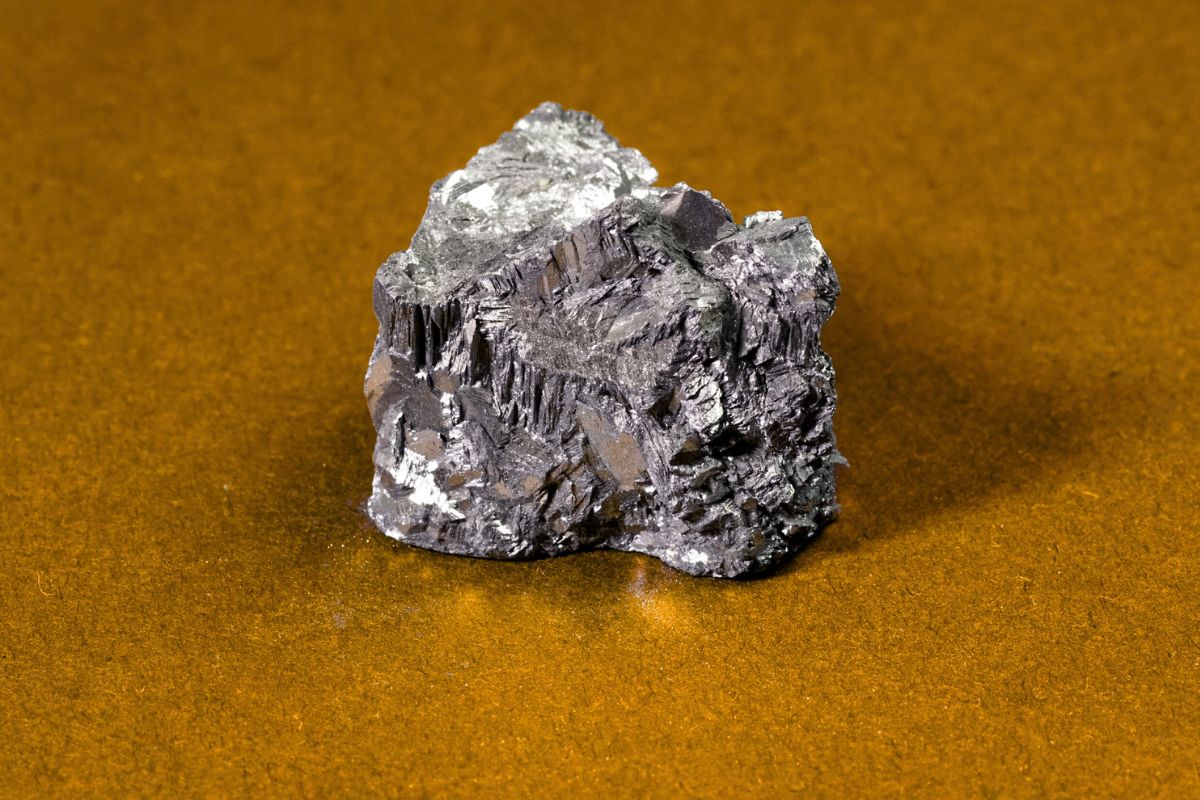
Antimony is a critical mineral used for the production of certain munitions, as well as flame retardants and batteries, which have both civilian and military applications.
Not the Pentagon’s First Investment in the Domestic Antimony Supply Chain
The strategic importance of the U.S. Antimony Corporation for national security is underscored by a five-year contract signed in September with the Defense Logistics Agency (DLA), a Pentagon agency, aimed at building up domestic reserves. In addition, Perpetua Resources and Nova Minerals, two other companies along the U.S. antimony supply chain, have also received Pentagon funding.
These efforts are part of a broader push to reduce U.S. reliance on Chinese imports. China accounts for roughly half of global antimony mine production and over 85 percent of refining capacity. In mid-2024, Beijing also implemented export controls on antimony and other raw materials, sharply restricting shipments.
More on the Pentagon and Supply Chains: At the same time, the U.S. Department of Defense has contacted mining companies to help boost domestic supplies of 13 critical minerals for military applications, including bismuth, germanium, hafnium, tungsten, and several rare earth elements. Concurrently, the department is gathering information for potential stockpiling of lithium, nickel, tin, chromium, and tellurium.
Photo: luyag via Canva